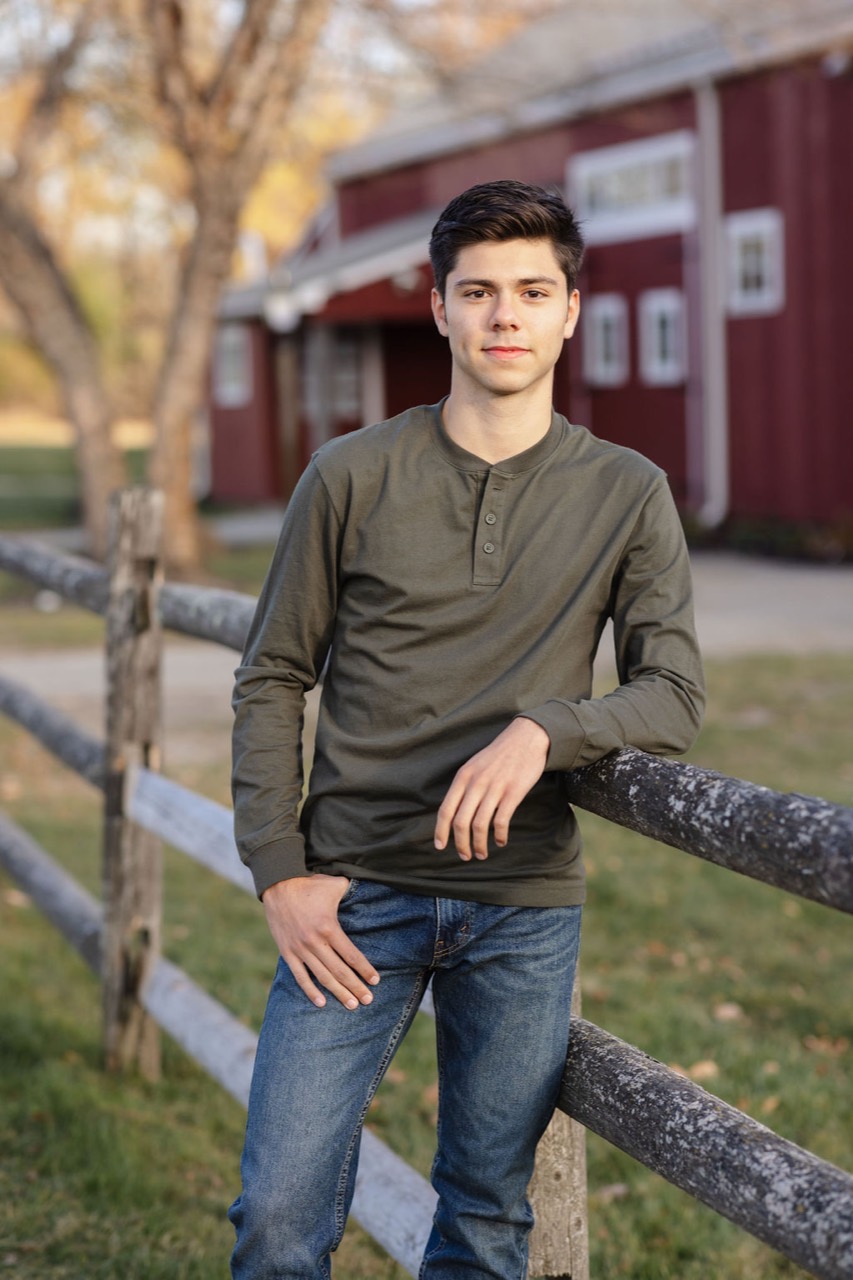
I'm Aleks. I learn what it takes, then make something I can test.
From teaching myself CAD at ten to designing and machining robots in high school to building with AI now, I'm excited about what happens when those worlds meet.
01 / SAME INSTINCT. NEW POSSIBILITIES.
I learned CAD to make things. Then I learned the machine. Now I’m building with AI. The tools keep changing. The reason hasn’t.
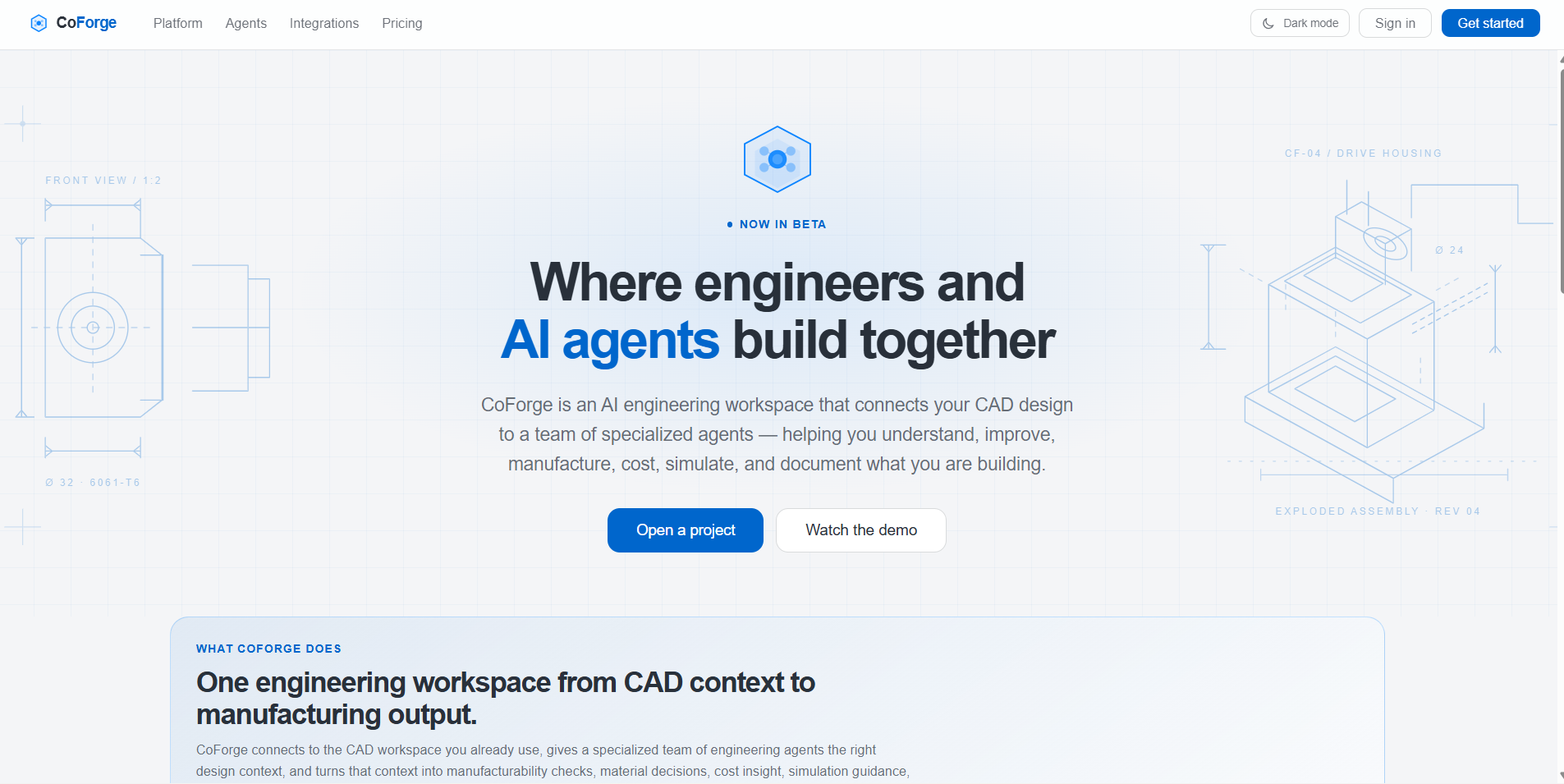
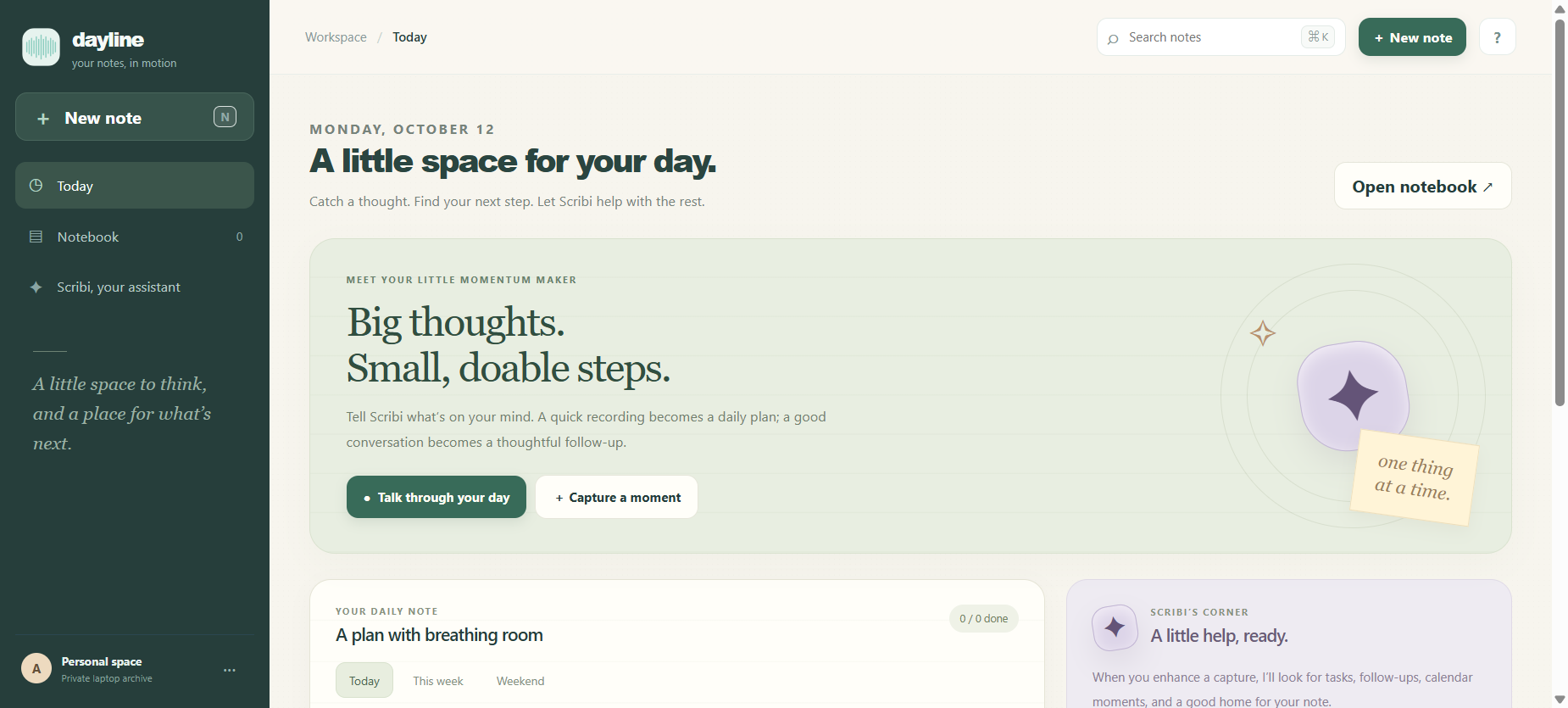
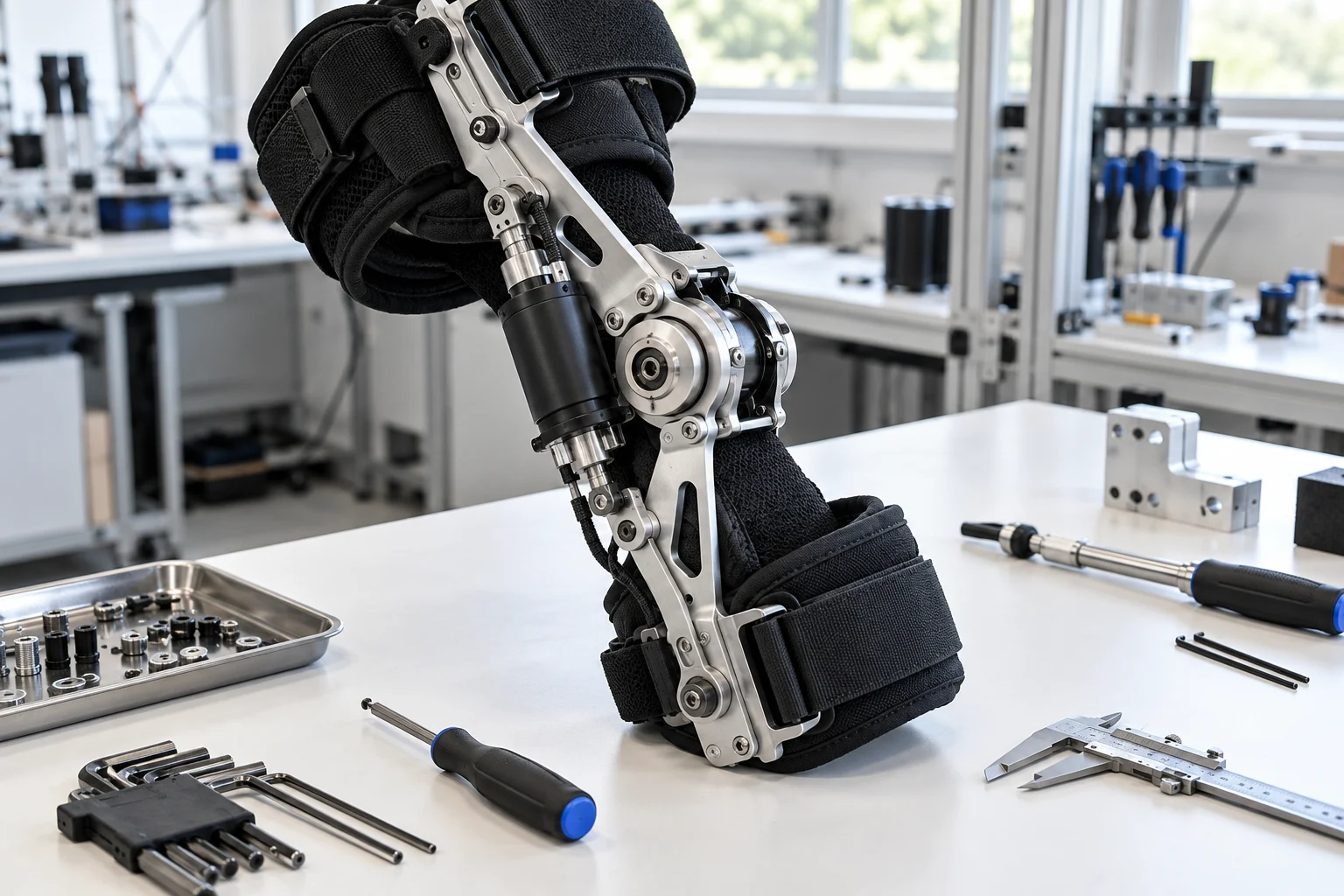
Research imagery is illustrative. Project captions identify recordings, screenshots, and concept diagrams.
02 / WHAT LEARNING MADE POSSIBLE
An idea I could draw. A team that could build it.
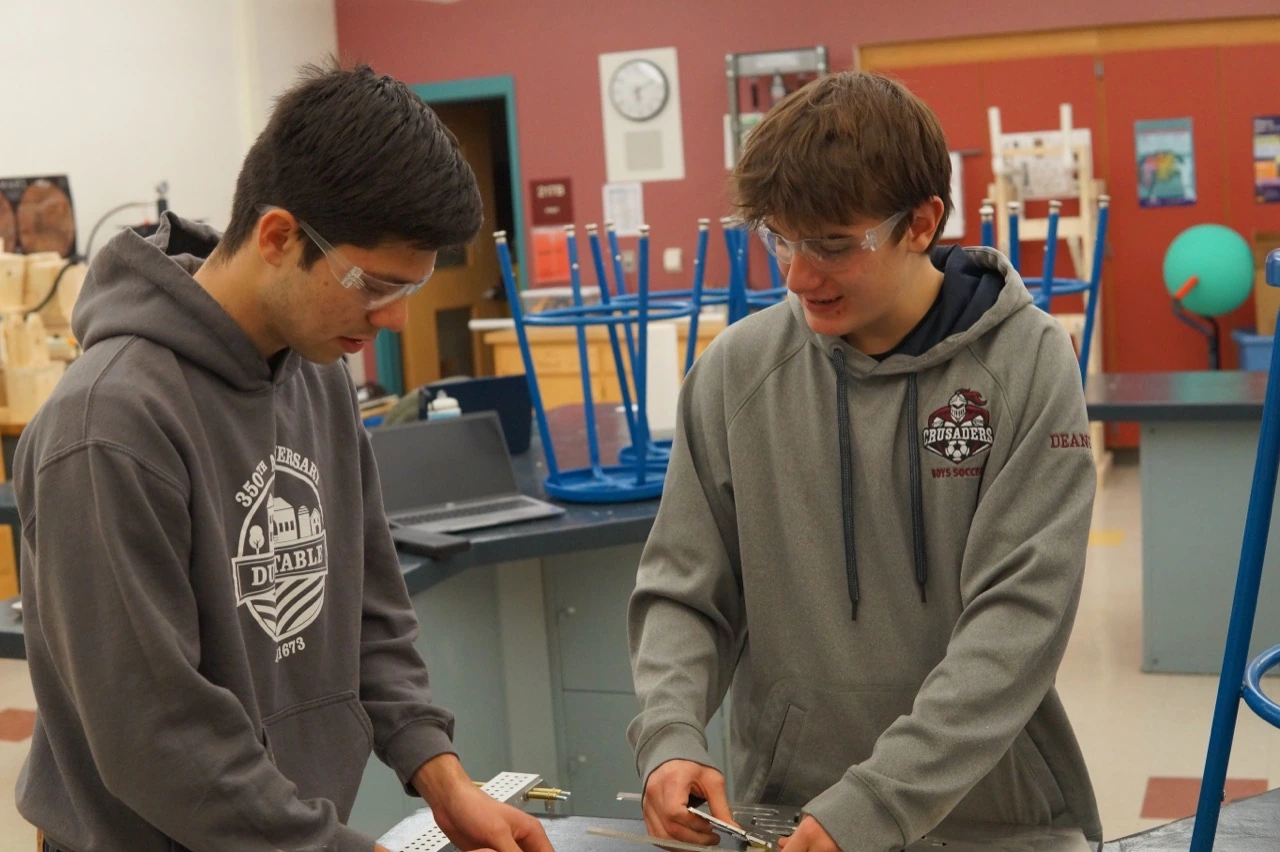
I wanted to make the parts I was drawing and give our team more freedom to design, test, and build. Learning our unused CNC became a way to explore new ideas, bring a robot into competition, and teach others to turn their own designs into parts.
FROM THE BUILD NOTES01 / LEARN
Fusion 360 CAM simulation · My recording
Turning a CAD model into a part meant learning how cutting settings work together.
01 / TAKE THE INITIATIVE
The machine was there. I decided to learn it.
Our team's CNC had sat unused for three years because no one knew how to run it. I wanted to make the parts I was drawing, so I took on learning CAM and machine operation.
Spindle speed, feed rate, and chip load had to work together to produce a usable cut. I researched and tested different settings, but my early attempts failed. When I got stuck on the calculations, I reached out to a mentor from another team. After months of effort, I machined our first part.
Once I could machine aluminum, I tried wood for prototypes and polycarbonate for robot parts. That gave me more room to test an idea, change it, and make a version we could take into competition.
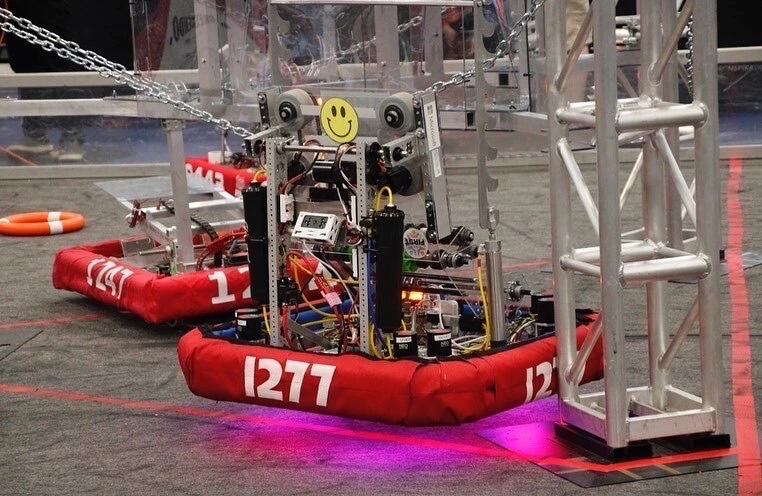
For our 2024 robot, I modeled the mechanical assemblies in Fusion 360 and tested intake and shooter prototypes made from scrap wood, using drills as motors. I adapted an over-bumper intake so our driver could collect game pieces without perfect alignment. Our team earned the Industrial Design Award; I led mechanical design and fabrication, while teammates led electrical work and programming.
I wanted the team to be able to keep designing and machining after I left. I developed a CAD/CAM/CNC curriculum and taught teammates how to take a model through toolpaths and into a physical part.
At BAE Systems FOCUS, I learned to guide with questions and adapt my explanation to the student. I carry that into FRC mentoring: help someone understand a choice, test it, and find their own solution. Teaching also pushes me to understand my own decisions more deeply.
Photos and recordings show actual work. Research imagery is illustrative; diagrams are labeled as concepts.
Aleksander Bobkov
04 / THE PERSON BEHIND THE WORK
It started with my grandfather.
He came from Ecuador and was the first in my family to immigrate to the U.S. and graduate from college. When I met him at five, I wanted to follow in his footsteps.
Today I'm an Honors mechanical engineering student at UMass Lowell, with a robotics minor. I like getting close enough to a problem to make something useful—and sharing what I figure out along the way.
A few things beyond the projects +
Shah Academy Scholar for Leadership and Innovation. Machining Club Executive Board. FRC and BAE Systems FOCUS mentor.
I've coached tennis and pickleball, worked with beehives, and spent time in speech & debate and 4-H. Away from engineering: mountain biking, photography, piano, and guitar.
What I'm looking for next +
Summer 2027 work in product design, robotics hardware, prototyping, mechatronics, or mechanical engineering. I'm drawn to teams where I can get close to the hardware, take ownership, and keep learning by doing.
OFF THE CLOCK Tennis / Trails / Cameras / Music
05 / WHAT COMES NEXT
Good problems are a good start.
Have a project or a Summer 2027 opportunity? I'd like to hear from you.